Wandering Clouds
Student project – Adventure/Narrative
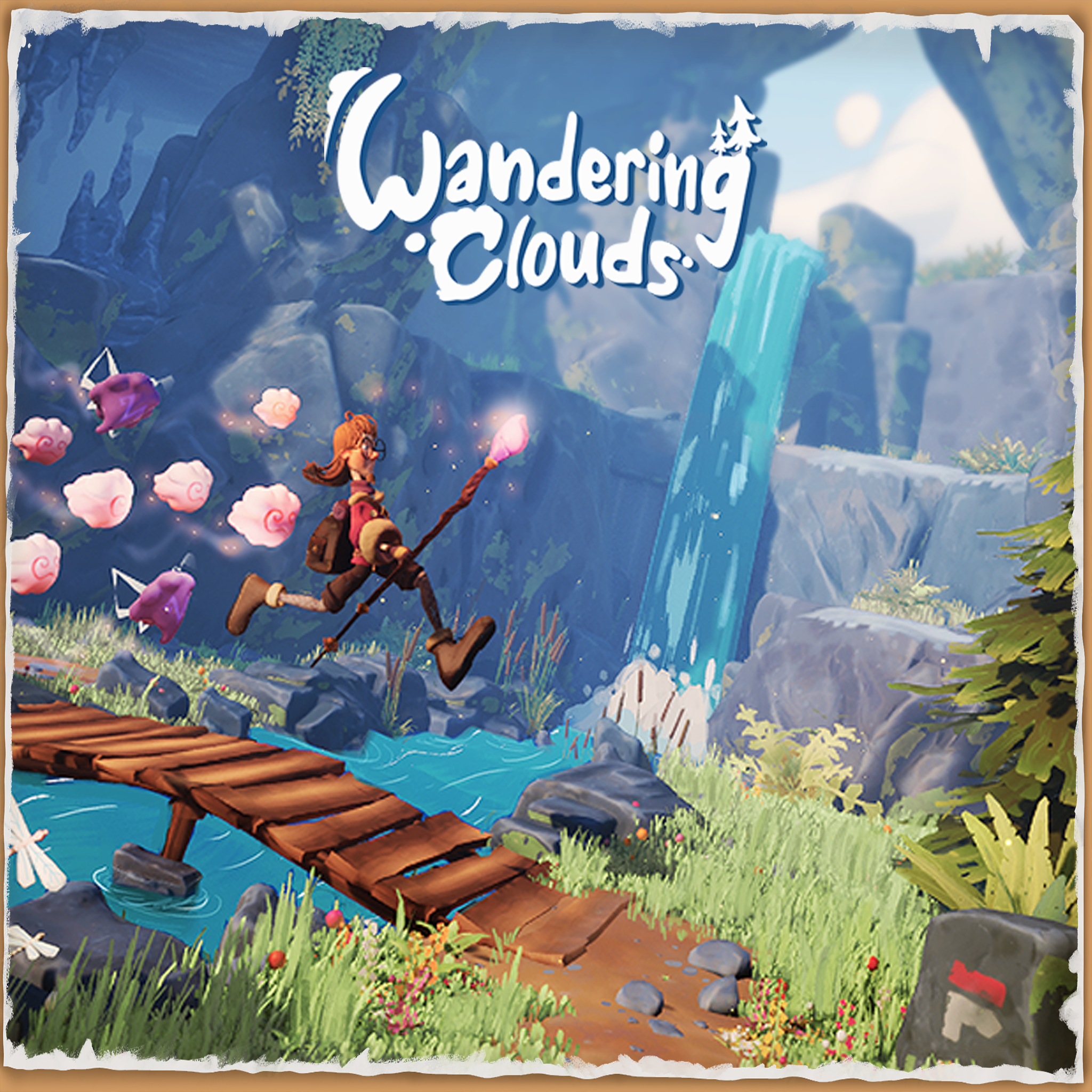
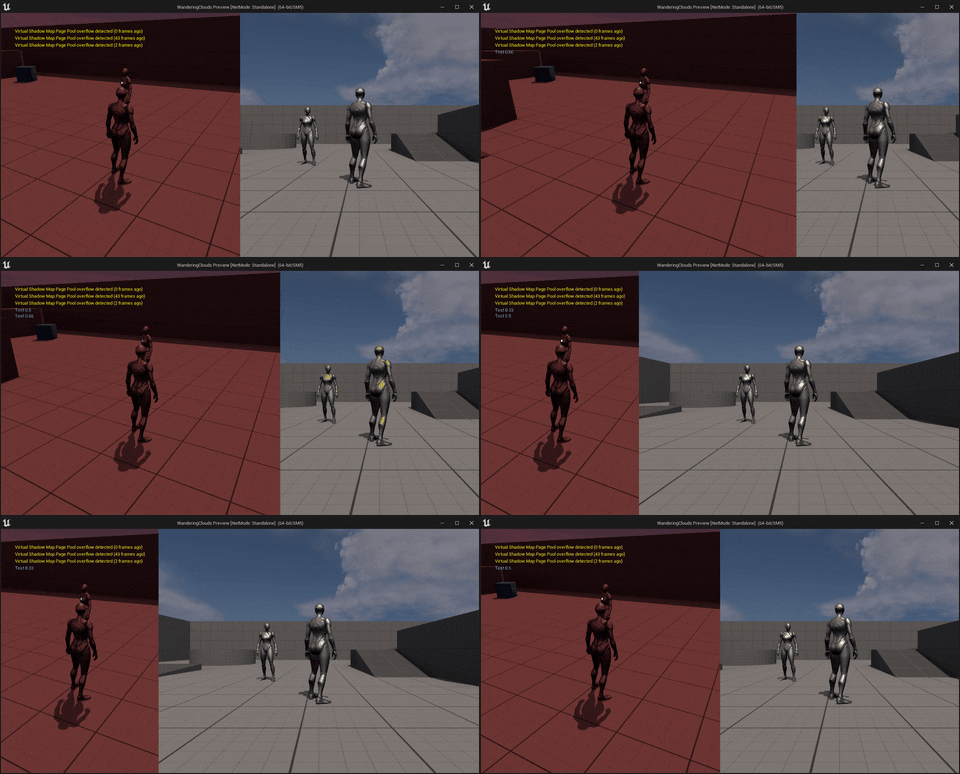
Wandering Clouds is a narrative adventure game developed as a fifth‑year student project. Following a violent storm, ecosystems made of clouds are torn apart across a chain of floating islets. Players guide Perci, a young meteorologist, to restore balance by hiking, jumping and gliding between islands while helping the inhabitants. During pre‑production I co‑prototyped the core controls (3C) with a controller designer before handing them off to the production team. I then focused on building a versatile dialog and quest system using AI behaviour trees with blueprint logic for variables, quest completion and conditional conversations. I developed a UMG‑based user interface connected to this system and collaborated closely with artists to ensure the UI was coherent and achievable. The project honed my blueprint scripting skills and my ability to collaborate across disciplines.
Technical Challenges & Solutions
Dialog System Architecture
Built a node-based dialog system using Behavior Trees, allowing designers to script complex branching narratives visually.
Quest State Management
Implemented a persistent quest tracking system that serializes state across different floating islands.
Highlights
- Co‑prototyped core controls with a controller designer and handed off to production.
- Built dialog/quest system using AI behaviour trees and blueprint logic.
- Developed UMG‑based UI and collaborated with artists for coherent visuals.
Team
Team: 11 people (Programmers, Artists, Designers)
View Team Members
- Paul
- Manon
- Mathieu
- Tom
- William
- Michael Abid
- Arthur
- Marion
- Clement
- Nicolas
- Youmna
Project Timeline
We successfully delivered the vertical slice of our game during the jury presentation.
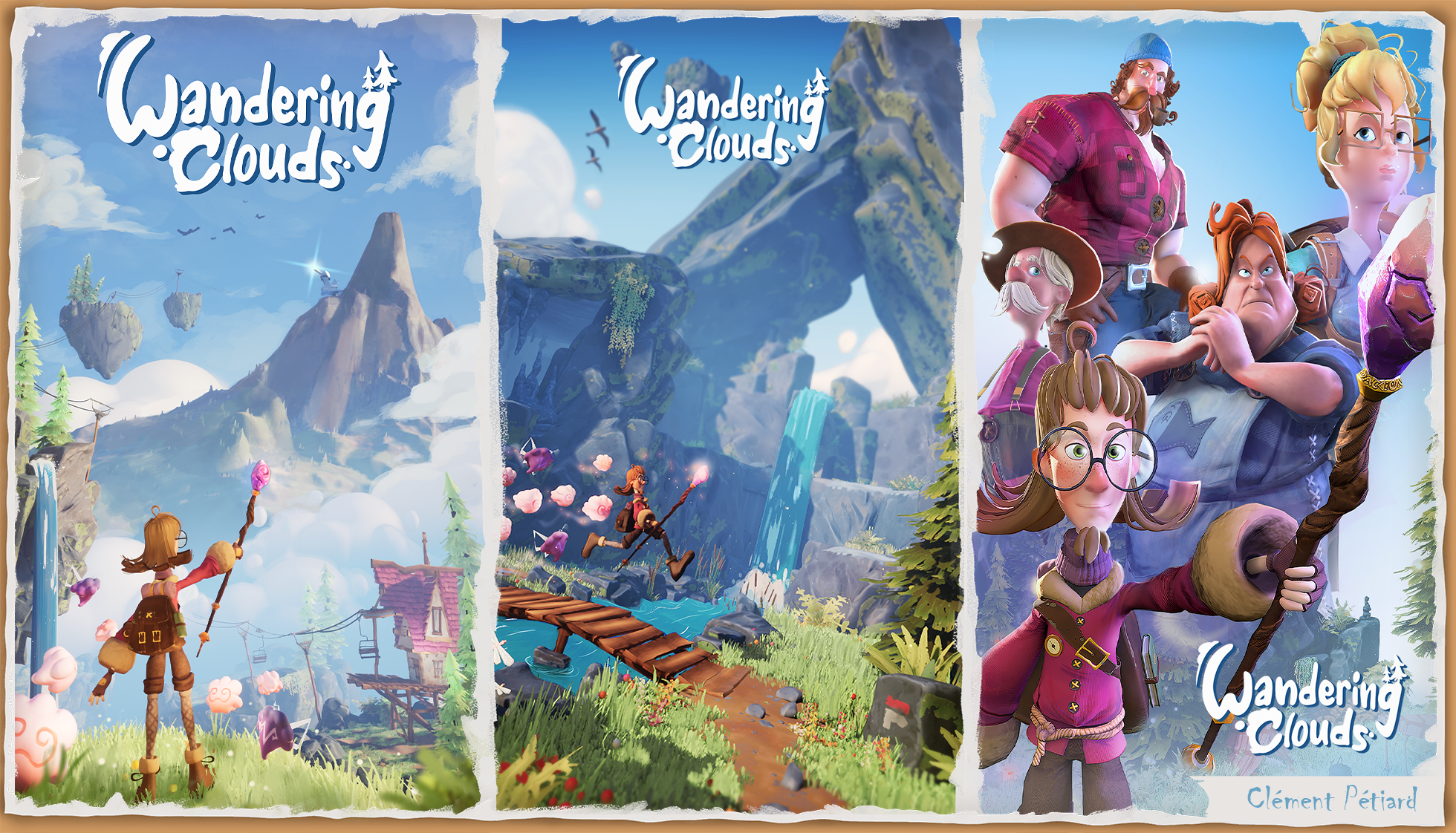
After the first pre-production jury, we realized our concept had reached a dead end and decided to pivot. The project evolved from a two-player co-op game into a single-player experience focused on platforming mechanics and companion minions.
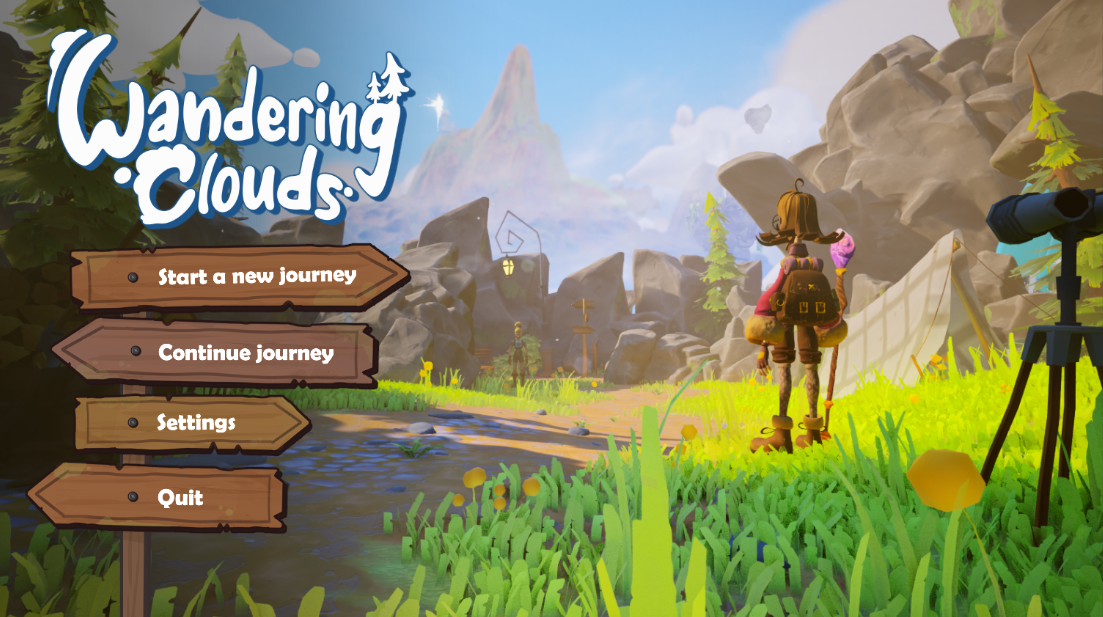
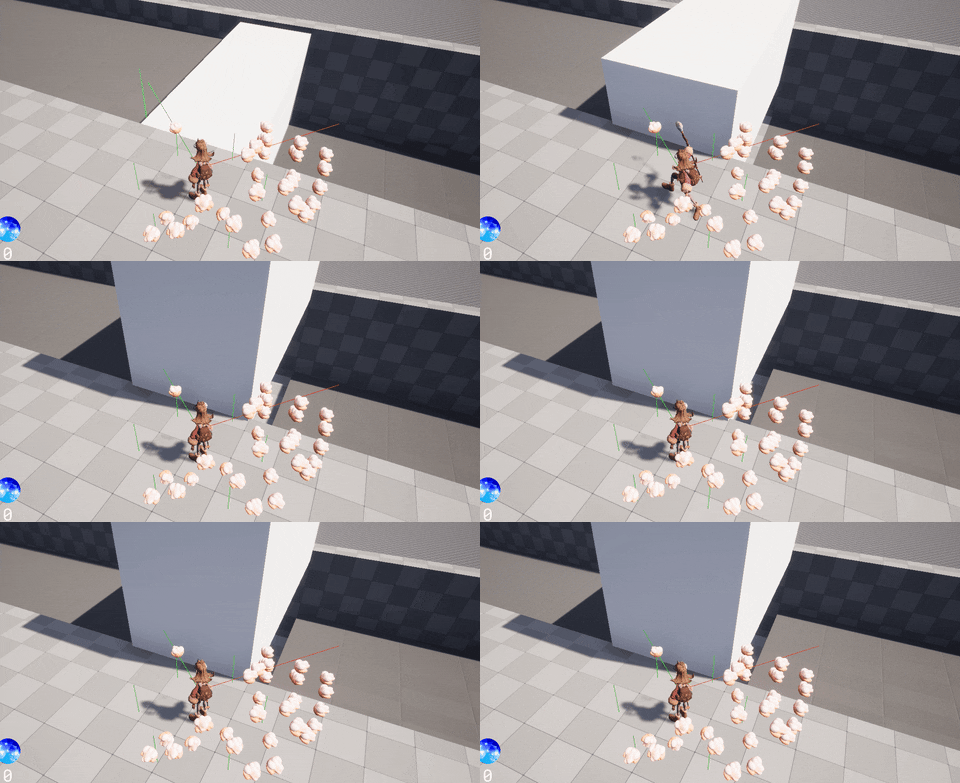
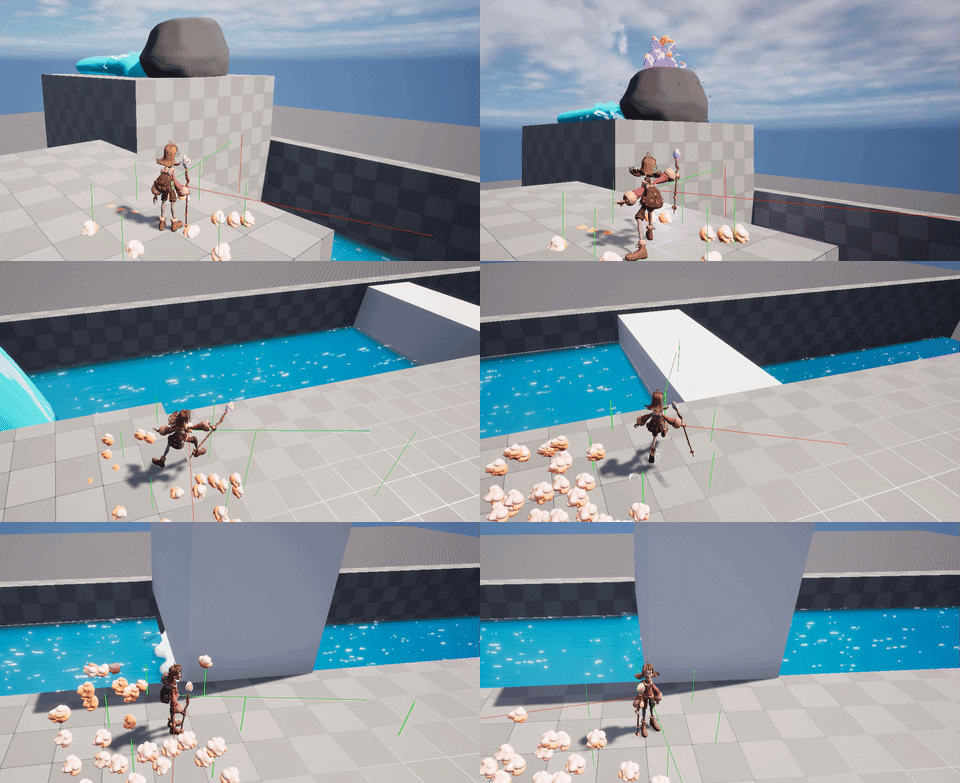
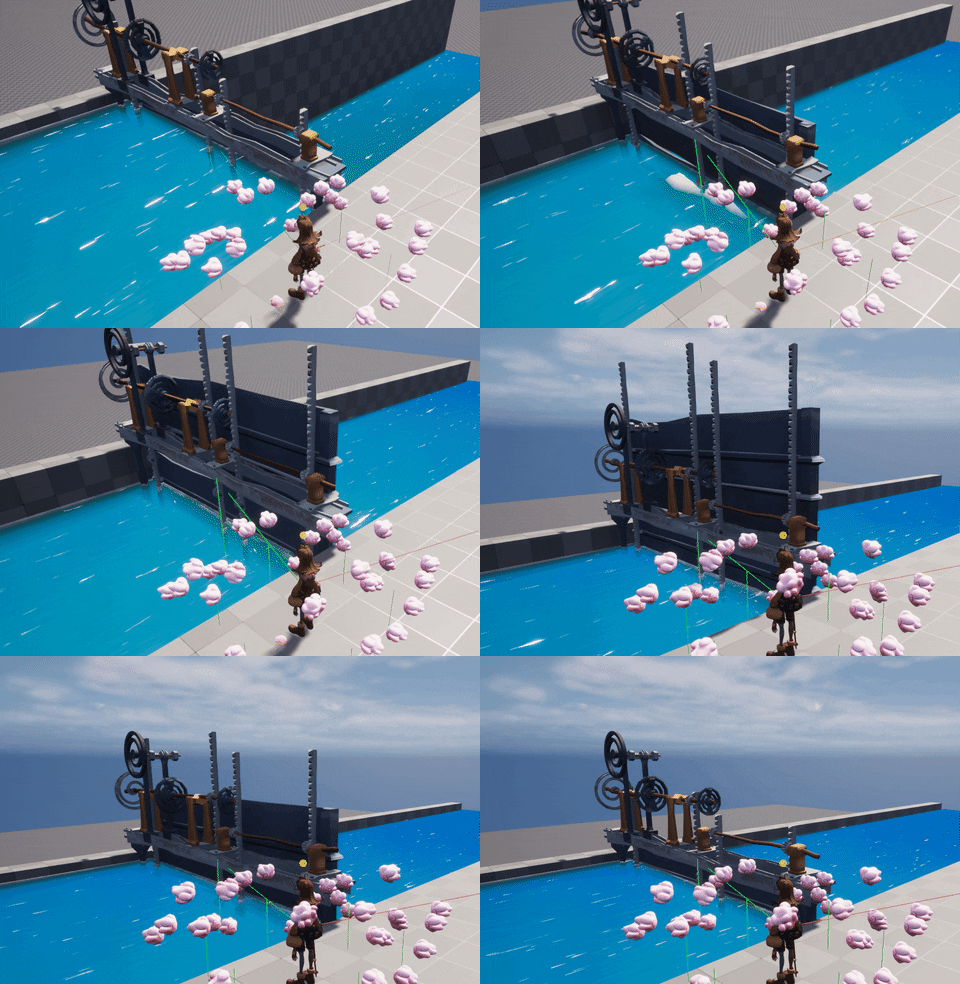

“As we had already mentioned after the end-of-year jury in our fourth year, the project’s vision lacked clarity — whether in terms of the universe, gameplay, or even visuals. Even though we had relatively clear design pillars, we spent a lot of time trying to develop specific aspects of the concept, such as the combat system and the connection to the forest (roots, puppets), which came at the expense of the overall coherence of the experience. The goal now is to learn from those mistakes and shift the project’s direction toward something both simpler and more original.
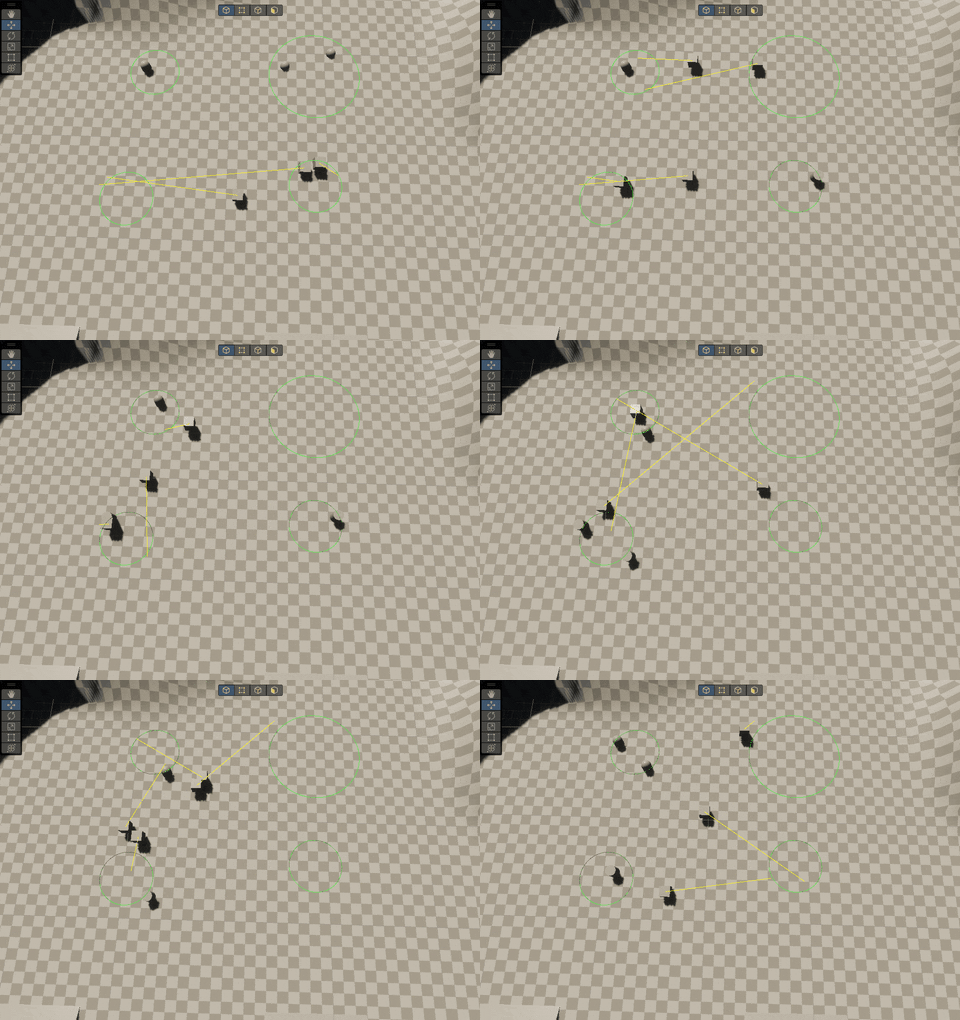
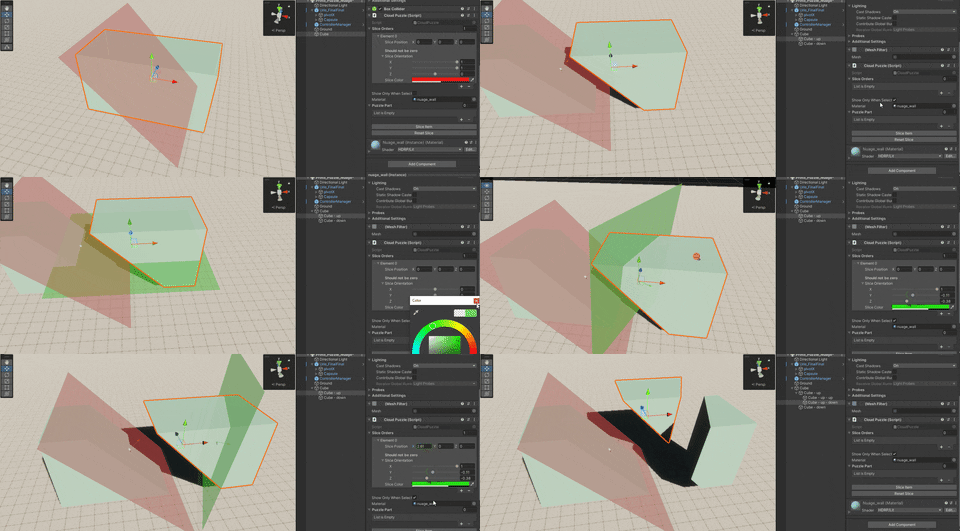
During this period, the team assembled to work on the base concept of Paul: Wandering Cloud, an action-adventure asymmetric co-op game. Players embody two children exploring floating islands while jointly operating a shared glider. To restore peace, they must coordinate their actions, identify enemy weaknesses, and exploit them together.