Gauntlet 109
Prototype – Remake – Game Development
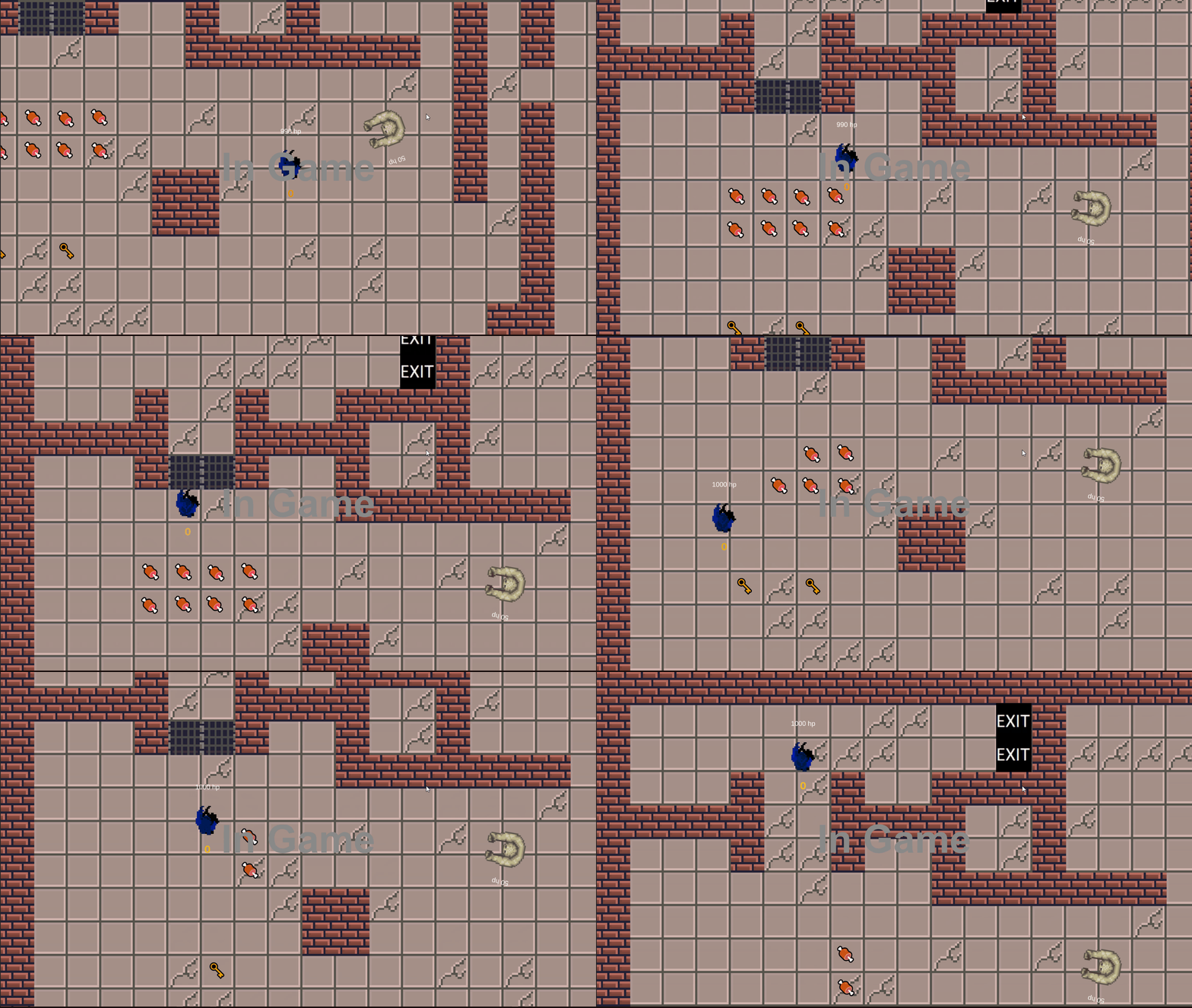
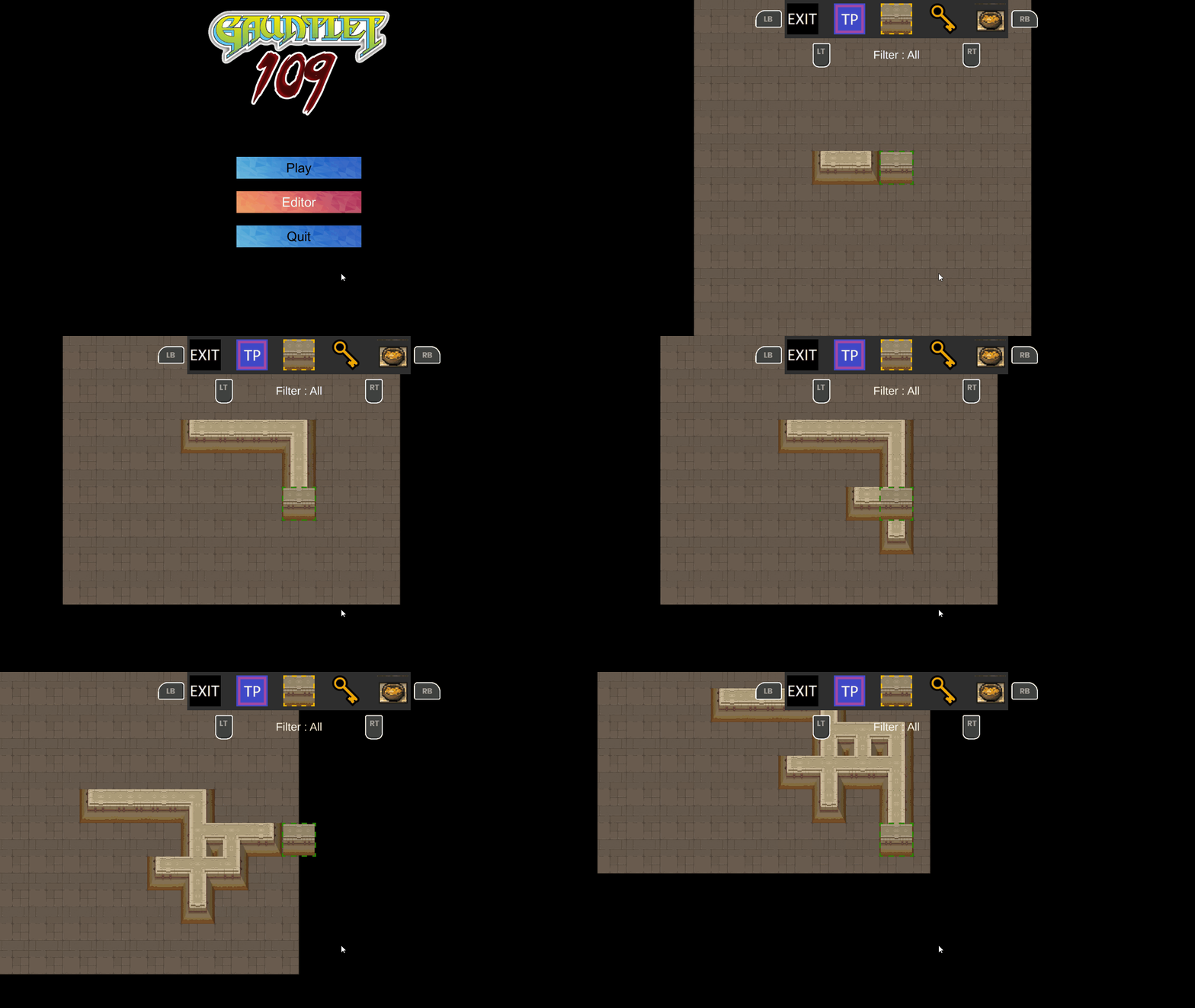
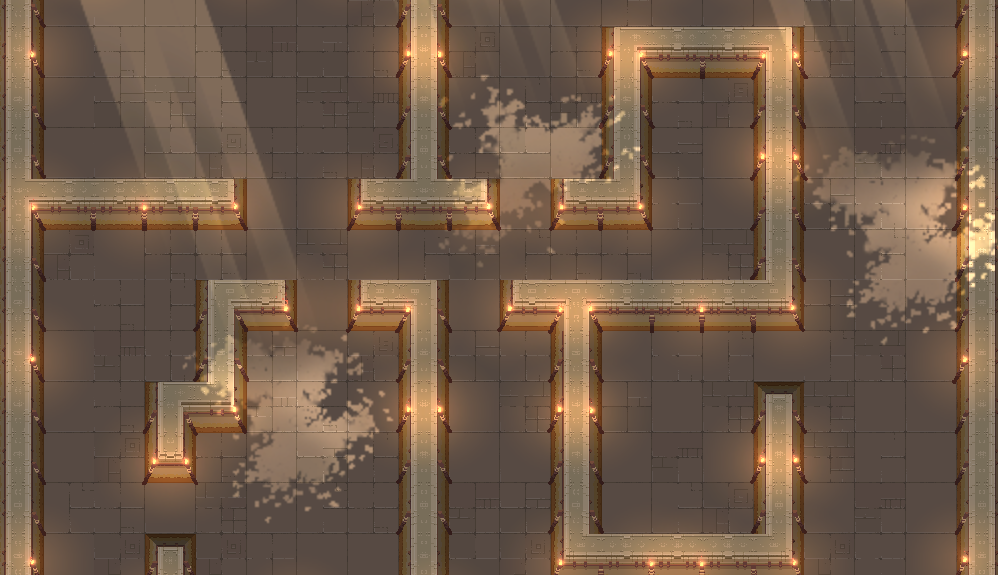
During my internship from June to August 2022, I worked on a project codenamed 'Gauntlet 109' – a remake of a classic retro game. Inheriting an undocumented code base, our small team decided to restart the project from scratch. After studying the original game design documents and understanding the creative director’s vision, we refactored the architecture and reproduced six months of work in just two weeks. We implemented the game’s controller and basic gameplay loop, developed character mechanics for the hero 'Sphinx' and two enemies, programmed AI and collectables, and built a level editor that runs inside the game with full controller support. To allow players to build levels, we created a custom file format (.glvl) and designed a dynamic UI system for menus and interactions. In the final rush we integrated environment sprites, animations, lights and FX, producing a polished prototype ready to present to investors.
Technical Challenges & Solutions
Level Editor Implementation
Created an in-game level editor with full controller support, allowing on-the-fly map creation and playtesting.
Codebase Refactoring
Rebuilt the entire gameplay architecture in 2 weeks to replace a legacy undocumented codebase.
Highlights
- Read and analysed the existing game design documents to plan the project and clarify the creative director’s intentions.
- Refactored the existing, undocumented codebase and rebuilt a clean architecture, reproducing six months of work in two weeks.
- Implemented the game controller, base character and gameplay loop, allowing play across multiple maps.
- Developed gameplay for the character 'Sphinx' and programmed AI for two enemies, plus collectables and environment interactions.
- Designed and implemented a level editor inside the game with controller support and a custom .glvl file format, enabling players to create levels without the engine.
- Created a dynamic UI system usable with a controller, supporting multiple menus and drag‑and‑drop configuration.
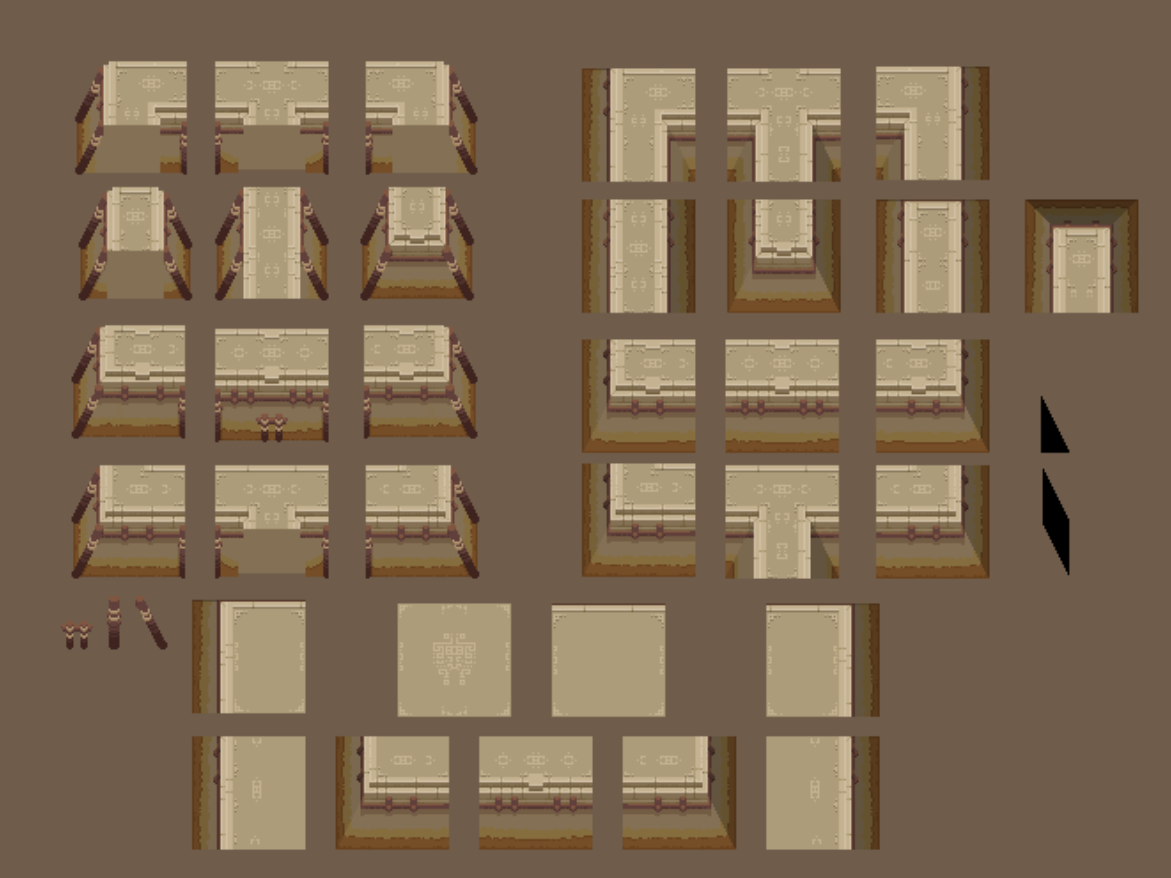
- In the final rush, integrated environment sprites, animations, lights and FX to improve immersion and prepared a playable prototype for investors.
Team
6 people
View Team Members
- Michael Abid
- Guillaume (Developer)
- Théodore (Producer)
- Alix (Artist)
- Thomas (Artist)
- Stéphane (Game Director)
Project Timeline
In the final weeks we integrated environment sprites, animations, lighting and FX, polished menus and improved immersion. With the help of a game artist team, we delivered a polished prototype ready for investors.
We designed and implemented a level editor that runs inside the game with full controller support and a custom .glvl file format, enabling players to create levels without the engine. In parallel we built a dynamic UI system that supports controller navigation and drag‑and‑drop configuration.
Mid‑way through the project we developed gameplay for the hero ‘Sphinx’ and programmed AI for two enemies. We also implemented collectable items and environmental interactions.
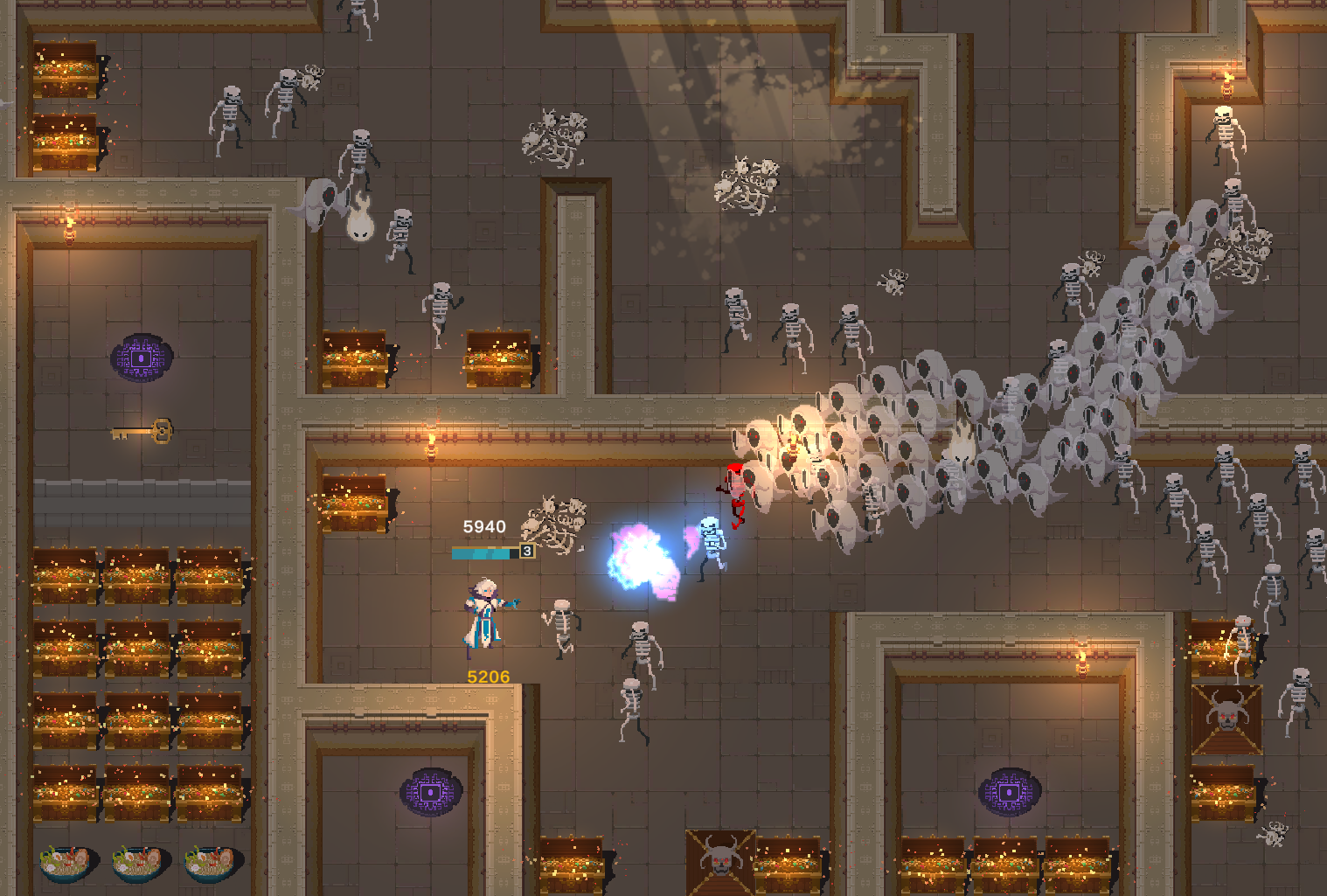
We refactored the existing code and rebuilt a clean architecture, reproducing six months of work in only two weeks. During this phase we implemented the game controller, a base character and the core gameplay loop across multiple maps.
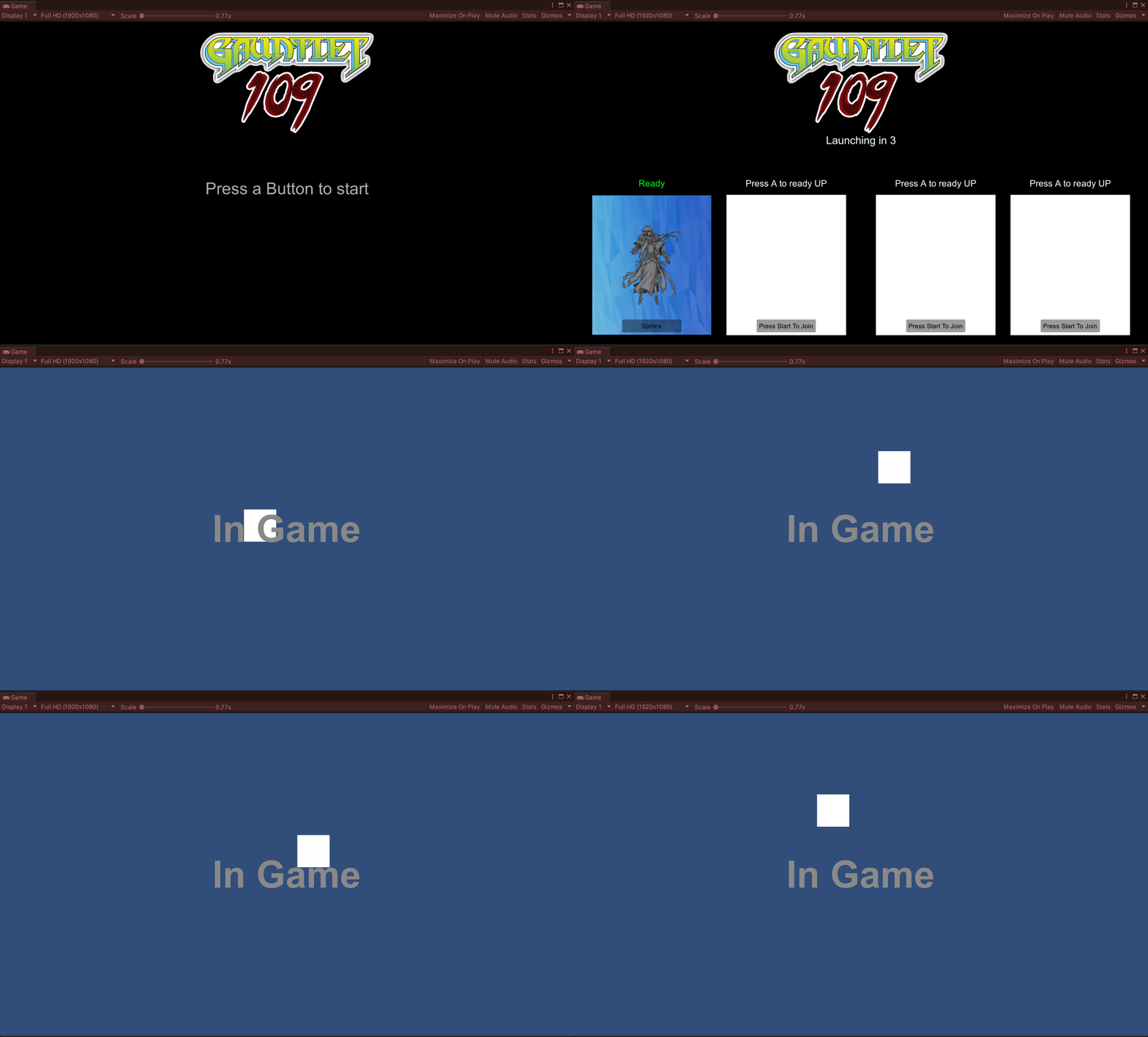
At the start of my internship I reviewed the existing game design documents to understand the creative director’s vision. Due to inheriting an undocumented codebase from a previous intern, the team chose to restart the project from scratch.