1) Introduction
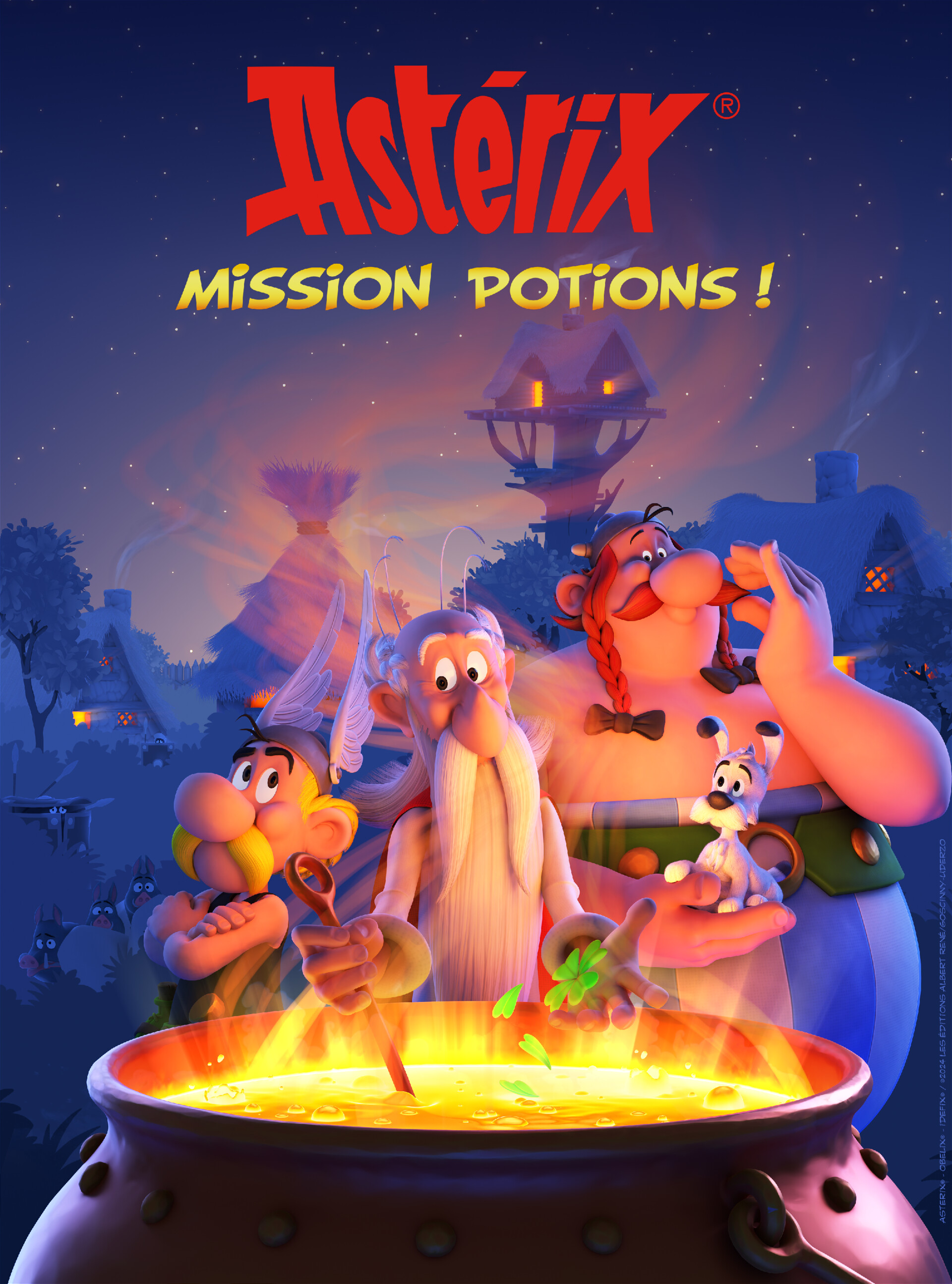
Working on a multiplayer VR game is not just “game dev with a headset.” It fundamentally changes how you design gameplay, networking, tools, and even debugging workflows. During a four-month internship at Virtual Room, I worked on Asterix VR, a one-hour cooperative VR experience built with Unreal Engine.
This article breaks down what I actually built, from low-level multiplayer issues to full gameplay systems and internal tools. No fluff—only concrete technical work and lessons learned.
By the end, you’ll understand:
- What multiplayer VR problems look like in practice
- How gameplay systems were designed under network + VR constraints
- Why tooling matters as much as gameplay in production

2) Background / Context
Project context
- Engine: Unreal Engine (C++ + Blueprint)
- Platform: VR (SteamVR)
- Mode: Multiplayer, cooperative
- Team size: Small production team + interns
- Workflow: 2-week sprints, Perforce + Swarm, Trello
Why this matters
Multiplayer VR combines three difficult domains at once: Real-time networking, Physics-heavy interactions, and First-person VR constraints (comfort, precision, space). Most mistakes here are architectural, not visual.
Key terms, simplified: Authority: Who is allowed to modify an object (server vs client) Ownership: Which client can send RPCs for an object RPC: Networked function call Client/Server divergence: Objects do not exist in the same position everywhere
Networking Basics
3) Main Technical Contributions
3.1 Core Setup, Stability, and Multiplayer Foundations
Early in production, I worked on stabilizing the project. This included fixing engine and SteamVR compatibility issues, debugging crashes on disconnection/reconnection, and cleaning up early core code issues.
I also implemented the multiplayer lobby, ensuring Correct player joining, Safe transitions between levels, and Reduced crash scenarios during network state changes. This phase was mostly unglamorous, but critical. Without this, nothing else ships.
3.2 Multiplayer VR Object Ownership (The Real Pain)
In VR multiplayer, interaction depends on ownership:
[Client grabs object]
        ↓
[Client becomes Owner]
        ↓
[Client can send RPCs]
Problems arise when a player interacts with objects they don’t own, or when Server and client see different positions for hands and held objects.
Example issue (real case): Client sees an ingredient next to the cauldron, but Server thinks the ingredient is inside the cauldron. Result: false validation, broken gameplay.
Solutions required:
- Dynamic ownership transfer
- Careful validation logic on the server
- Explicit rules about when detection is allowed or blocked
This forced multiple architecture rewrites, especially for the cauldron system. Progress was incremental to avoid breaking existing mechanics.
3.3 First Full Gameplay Feature: The Slingshot
My first production gameplay task was a two-handed VR slingshot. One hand holds the handle, the other pulls the pouch. Releasing fires a projectile.
Key challenges included natural VR interaction, multiplayer synchronization, and accuracy at long distance. I added a visual aiming system (mandatory for VR accuracy), network-safe projectile spawning, and interaction logic compatible with VR constraints.
3.4 Enemy Gameplay: Stealth Unit + Pooling Fixes
I implemented a stealth enemy that moves between bushes, hides at specific points, and emerges based on gameplay logic. This required integration with the existing enemy pool and fixes to pooling bugs caused by new mechanics (e.g. fleeing). Enemy pooling + new behaviors is a common source of subtle bugs.
3.5 Producing an Entire Level: Panoramix’s Hut
This was the largest contribution: full gameplay ownership of one level (1 out of 5). Core mechanics implemented: Ingredient handling, Mortar & pestle crushing, Hammering nuts, Throwing ingredients into a cauldron, Validating recipes, and Visual feedback.
Minimal interaction flow:

Ingredient → Tool → Transformed
           → Cauldron → Validation → Feedback
The cauldron system detects dropped objects, validates expected ingredients, handles multiplayer edge cases, and provides feedback without breaking immersion. This level forced me to work across Gameplay code, Networking, Materials, and Blockout-driven iteration.
3.6 Refactoring for Reuse: Pouring & Containers
Late in production, I refactored my own systems (Ladle, Pouring from cauldron/bottle) to make them generic. Instead of hard-coding cases, I generalized liquid transfer logic, container interfaces, and validation rules. This reduced future work and enabled upcoming gameplay without rewriting systems.
3.7 Internal Tooling: Movement Platform Debug Tool
I built a custom editor tool to manage movement platforms with a visual grid representation and color-coded validation (White: missing group, Green: interactable objects).
Why this mattered: Manual selection was error-prone. Misconfigured platforms caused runtime bugs. Tooling made errors visible instantly, reducing iteration time.
Common Pitfalls I Faced (and Fixed)
- Assuming client and server see the same thing (they don’t)
- Forgetting ownership rules during interactions
- Over-specializing gameplay code too early
- Underestimating VR comfort constraints
- Debugging networking without proper visualization
4) Takeaways / Opinion
Multiplayer VR is harder than standard multiplayer. Ownership is the central problem, not replicated variables. VR forces you to design for bodies, not inputs. Tooling saves more time than micro-optimizations. Refactoring early prevents dead-end systems.
My recommendation: In VR multiplayer, design systems around authority changes first, gameplay second. If ownership isn’t clear, everything else will break.